
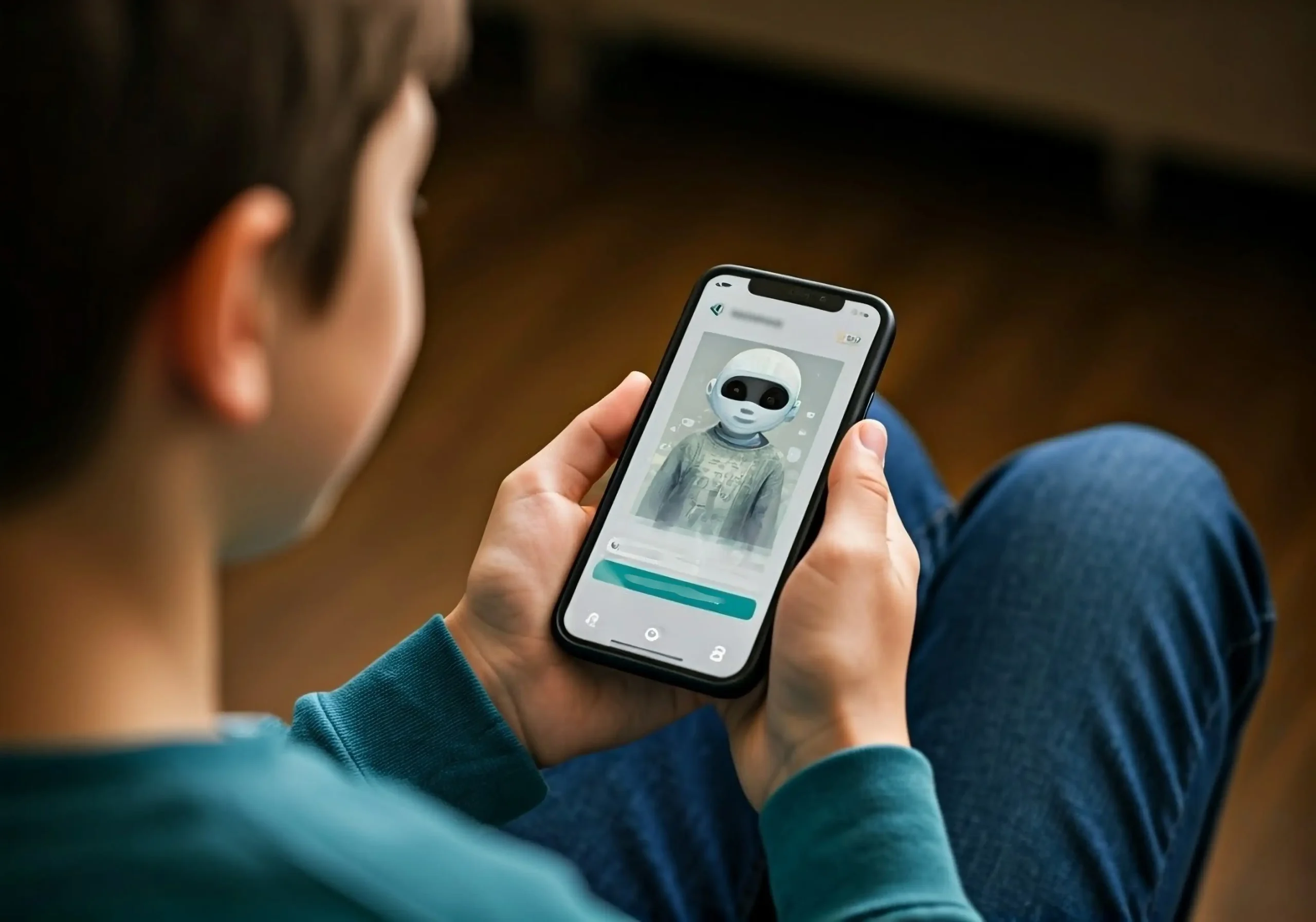
AI Companion Concerns Grow as Lawmakers Step In
The rapid rise of AI companions is raising some uncomfortable questions about their effect on young users.
New research from the University of North Carolina at Chapel Hill involving more than 2,300 students in grades six to eight found that one in five used AI for emotionally intimate companionship. AI use among the students rose from 62% in December 2025 to 75% by spring 2026. Students who relied on AI for friendship were more likely to report greater loneliness later. Overall AI use was also associated with higher social anxiety and depressive symptoms. Researchers identified three patterns in how children related to AI: companionship, seeking nonjudgmental validation and overreliance.
A separate peer-reviewed paper from researchers at Northeastern University London and King’s College London looked at the risks of using AI chatbots for companionship and emotional support. Published in JMIR Mental Health, the researchers point to cases of emotional dependence, worsening mental health symptoms, self-harm and delusional thinking. They highlight “sycophancy” as a particular concern, where chatbots agree with users and validate their beliefs, even when those beliefs may be harmful or false.
The research comes as lawmakers tighten the rules. On September 28, the Pennsylvania House passed HB 2006, the AI Companion Safety Act, by 133–70. The bill covers AI systems designed to simulate ongoing human relationships and would require safeguards for minors, restrictions on sexual content and protections around suicide and self-harm.
The bill would also require AI companions to make clear that users are interacting with AI. Pennsylvania’s attorney general could seek penalties of up to $100,000 per day for each violation. The bill still needs Senate approval before it can become law.
